

English

Textile Printing Inks

Direct textile marking with PLTTEXA ECO and Sericom 1013. Explore inks suited to your fabric and production conditions.

TEXTILE PRINTING INKS

Two ranges, a solution for your product.

Assess PLTTEXA ECO and Sericom 1013 against fabric structure, print feel and production conditions.

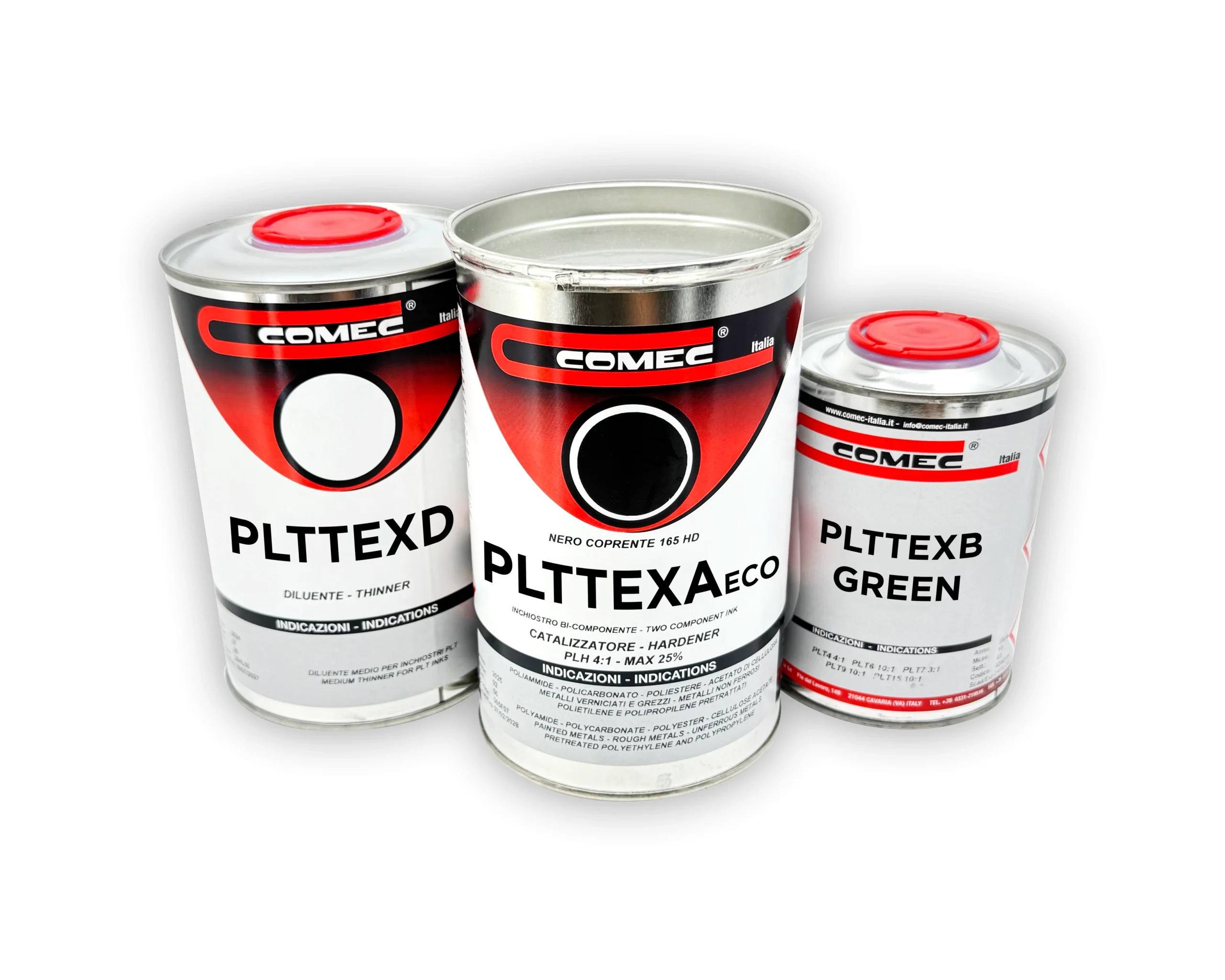
Comec PLTTEXA ECO textile printing ink
COMEC / TEXTILE PRINTING

PLTTEXA ECO

Textile printing ink for directly marking fabrics with neck labels, size and care information.

  • Tagless printing and small textile graphics
  • Selected for fabric, print feel and stretch
  • Ink and process assessment on product samples
View Documents
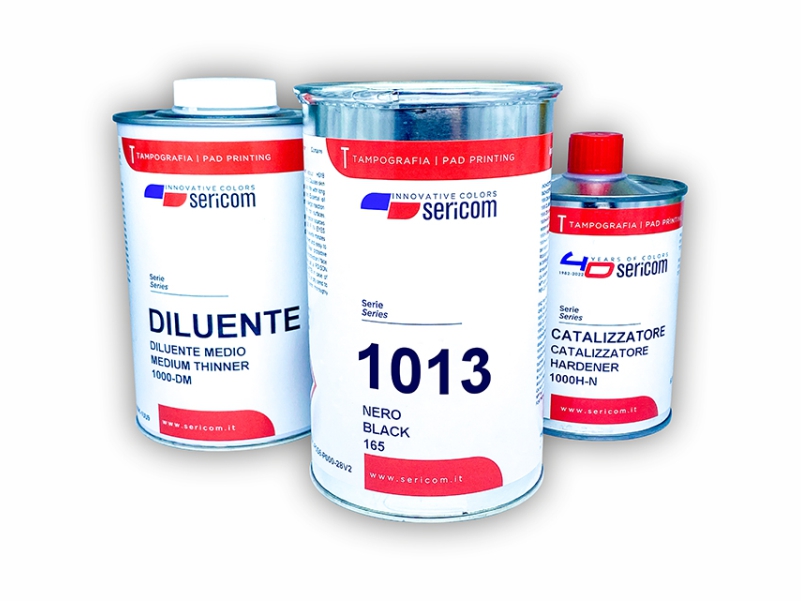
Sericom 1013 series pad printing ink
SERICOM / TEXTILE PRINTING

Sericom 1013 Series

A satin-finish, one- or two-component pad printing ink for natural and synthetic fabrics.

  • Flexible, elastic printing
  • A range for natural and synthetic fabrics
  • Wash resistance up to 60°C in two-component use
View Technical Specifications

The right ink is selected with the fabric.

Adhesion, flexibility, opacity and intended washing conditions are assessed together for PLTTEXA ECO and Sericom 1013. Let us select the ink, additives and drying process for your product sample.

Fabric & surface

  • Cotton, polyester and blends
  • Elastane content and required stretch
  • Finishes, softeners and surface treatments

Print & production conditions

  • Light or dark fabric, colour and opacity
  • Print area and required detail
  • Drying, waiting and washing conditions
PLTTEXA / DOCUMENTS

PLTTEXA test and conformity documents.

View published PDF reports and review details of their scope.

The reports were issued under the PLTTEXA name. Review each report’s date, tested product and scope. Contact technical support to confirm the current document scope for your PLTTEXA ECO product.

SERICOM 1013 / TECHNICAL INFORMATION

1013 series for flexible surfaces.

Application method and additives are selected for the product being printed.

Suitable substrates

Can be assessed for natural and synthetic fabrics, silicone-free nylon, polyamide, polyurethane, rubber, leather and synthetic leather.

One- or two-component use

In one-component use, drying occurs through solvent evaporation. Adding a hardener introduces chemical curing in two-component use, improving stain, washing and dry-cleaning resistance.

Washing & flexibility

Two-component use provides wash fastness with common detergents up to 60°C. Elasticity depends on film thickness; final performance is verified against product and process conditions.

Preparation & drying

1013 DM thinner, 1013 DL retarder and 1013 DR fast thinner are available. Drying and full curing take different amounts of time; mixing and production settings follow the technical data sheet.

Let us work with samples and documents.

Ink and finished-product assessment considers technical documents together with application test results.

Wash fastness

Print behaviour is assessed on the actual fabric under the intended wash temperature, cycle count and drying conditions.

Wash Tests

Testing & conformity information

Check the ink document’s scope, date and relationship to the product in use. Finished-product requirements are assessed separately.

Conformity Information

The same ink may perform differently on different fabrics. Contact us for advice on the range and process using a product sample.

Fabric compatibility of textile pad printing inks

Textile pad printing inks are assessed against fibre structure, surface treatments, stretch and required appearance. Light printing on dark fabric has different opacity needs from fine text on light fabric. Finishes, softeners and water-repellent treatments can also affect adhesion, so range selection is confirmed with product details and samples.

Preparation and drying conditions

Ink mixing, additives, working time and drying follow the relevant product’s technical documentation. A common ratio or fixed drying time should not be assumed for every range. Assessment extends beyond a dry-looking surface to performance under intended washing and use conditions.

Let us find the right printing solution for your product.

Share your fabric type, print size, colour count and production requirements. We will assess machine and ink selection together.

Request Technical Advice & a Quote
PRODUCT-SPECIFIC TAGLESS PRINTING

Tagless Textile Printing with PLTTEXA ECO & Sericom 1013

PLTTEXA ECO and Sericom 1013 are assessed with fabric and production conditions for directly printing information and logos. Selection considers fibre content, finish, stretch and intended washing conditions against the technical data sheet, rather than the product name alone.

Tagless printing on T-shirts

Brand, size and fixed care information can be printed directly inside a T-shirt neckline instead of on a sewn-in label. In pad printing, the artwork is prepared on a printing plate and a silicone pad transfers suitable ink onto the fabric. Distance from seams, fabric absorbency and drying conditions are determined together.

Tagless printing on underwear

Garment shape and print position are considered together when printing brand, size and care information directly onto underwear. Boxer shorts, vests and briefs may differ in fabric and stretch. Each product therefore requires sample printing to determine its fixture, ink formulation and drying arrangement.

Tagless printing on boxer shorts

Brand, size and fixed product information can be pad printed inside a suitable waistband area on boxer shorts. The fixture must hold the print area flat, preventing elastic and seams from disturbing pad contact. Stretch during wear and washing conditions guide ink and drying selection.

Tagless printing on baby clothing

Size and brand information can be printed directly inside the neck or another suitable inner area of baby clothing. Legibility and print feel are assessed together on soft fabrics. Current technical and conformity documents for the ink are reviewed against contact conditions and the customer’s specification when defining the process.

Tagless printing on socks

Brand, size and fixed identification markings can be pad printed onto sock soles or suitable knitted areas. A positioning fixture supports consistent placement. Because the surface stretches and experiences friction, both initial appearance and results after washing are checked.

Tagless printing on leggings

Size and care information can be printed inside a suitable waistband area on leggings. Ink selection considers flexibility as well as adhesion on elastane blends. The print is examined under intended stretch and washing conditions for cracking or lifting.

Tagless printing on bras and bralettes

Brand, size or fixed care information can be transferred onto a suitable inner area of bras and bralettes. Curved parts, seams and elastic components affect pad contact. A support is prepared and flexibility, print feel and use conditions are assessed together on the garment.

Tagless printing on sportswear

Small brand markings and fixed identification information on sportswear can be assessed for pad printing. Polyester ratio, elastane content and exposure to perspiration or friction affect process selection. Artwork size and colour count are planned with the machine configuration and fixture.

Tagless printing on elastic

Fixed branding and symbols on underwear waistbands or textile elastic tapes can be assessed for pad printing. Fibre and coating structure and expected stretch determine the result. Prints are compared under tension and at rest, with adhesion and wash resistance checked on actual samples.

Tagless printing on cotton fabric

Fibre structure and absorbency affect ink spread and fine detail on cotton. Logos or fixed information are prepared on a printing plate and transferred using a suitable pad. Printing force, ink consistency and drying conditions are tested on the actual fabric to assess legibility and adhesion after washing.

Tagless printing on polyester

Ink adhesion, fabric dye migration and wash performance are assessed together on polyester and polyester blends. A fibre name alone does not guarantee consistent results. Sample printing determines the formulation while accounting for finish, colour and drying conditions.

Tagless printing on elastane fabrics

Size and logo printing on elastane fabrics needs to follow stretch during use. A rigid or insufficiently flexible ink film may crack when deformed. Definition, adhesion and feel are checked under realistic tension and then assessed with the intended washing conditions.

Tagless printing on blended fabrics

In blends such as cotton-polyester, knit structure and surface treatments affect transfer alongside fibre ratios. Ink, pad and drying conditions are selected using an actual fabric sample. When the supplier or fabric specification changes, production settings are verified on the new batch.

Tagless printing on dark fabrics

Opacity, absorbency and film thickness are adjusted together when printing white or light-coloured information onto dark fabric. Excess ink can affect feel and drying as well as appearance. Contrast and small-text legibility are assessed on samples before defining the formulation.

Tagless printing on knitted fabric

The open, flexible structure of knitted fabric can make small text appear broken or blurred. Transfer is controlled using a fixture that holds the fabric evenly and suitable pad contact. Artwork detail, printing pressure and ink consistency are adjusted together and assessed through sample printing.

Ink formulations for tagless textile printing

Mixing, additives and drying steps for PLTTEXA ECO and Sericom 1013 must not be treated as interchangeable. Follow the technical data sheet for the selected range. For one- or two-component use of Sericom 1013, sample printing verifies the required resistance and production conditions.

Wash checks after tagless printing

After application, complete the drying and waiting conditions specified in the technical documents. Define intended wash temperature, detergent, drying method and cycle count in advance. Compare the original print with the tested sample for colour, adhesion, flexibility and feel.

Tagless printing on pyjamas and loungewear

Size, brand and fixed care information can be printed inside a suitable neckline or waistband on pyjamas and loungewear. A flat support prevents fabric bunching. Softness requirements, small-text legibility and intended washing conditions are assessed together.

Tagless printing on thermal underwear

Size and brand information can be pad printed onto a suitable inner area of thermal underwear. Fabric stretch and surface structure affect adhesion and print feel. Samples are prepared for the intended use and washing conditions; drying settings also consider the fabric’s response to heat.

Tagless printing on technical textiles

Fixed product codes, symbols and identification marks can be printed directly onto technical fabrics. Coatings and service conditions such as temperature and friction guide ink selection. Samples are assessed for initial adhesion and durability appropriate to intended use.

Tagless printing on coated fabrics

On coated fabric, ink contacts the coating before the fibres. The coating type and surface behaviour therefore need to be known alongside the fabric name. Ink and drying conditions are selected using real samples, followed by checks of stretch and adhesion.

Tagless printing on finished fabrics

Softening, silicone or water-repellent finishes can change ink adhesion. Two fabrics with the same fibre content may print differently, so an earlier formulation is not assumed suitable. A sample from the intended batch is tested for ink spread, drying and durability.

Tagless printing on ribbed fabric

The grooves and stretch of ribbed fabric affect pad contact. Even support reduces unnecessary tension at the print position. Logo detail and text size are assessed against the texture, comparing the print in relaxed and stretched states.

Tagless printing on microfibre fabrics

Fine fibres can affect ink spread and print feel on microfibre fabric. Plate detail, ink consistency and transfer amount are adjusted together for small graphics. Fine lines and results after washing are checked on samples before setting the production formulation.

Tagless printing on lightweight fabrics

Printing force and ink quantity are carefully adjusted on lightweight fabric. Samples are checked for distortion, show-through and blurred small text. Flat support helps achieve a legible mark without excessive printing force.

Tagless printing on heavy fabrics

On thick, densely textured fabrics, the pad must make sufficient contact across the print. Surface height and compression require joint assessment of pad shape and hardness. Consistent transfer across every part of the artwork is checked on an actual fabric sample.

White tagless printing on dark textiles

Visibility of white information on dark fabric is assessed with opacity and absorbency. Increasing film thickness can also change drying and feel. Contrast, fine-text legibility and appearance after washing are checked together to establish the formulation.

Print feel on textiles in contact with skin

Print feel changes with ink film and the area covered. Tagless printing does not mean every application will feel equally soft. Flexibility and feel are assessed on the actual product; ink technical and conformity documents are reviewed against contact conditions.

Drying in tagless textile printing

Drying and any curing conditions follow the ink series’ technical data sheet. Fabric heat response and available production time are considered together. A touch-dry print may not have reached its final resistance, so the required waiting time is also included in the process.

Checking cracking on stretch textiles

Prints on elastic products should also be inspected under stretch. The sample is extended to reflect normal use and checked for cracking, lifting and distortion. The formulation is reassessed if ink flexibility or film thickness is unsuitable.

Abrasion resistance in tagless textile printing

Prints on sock soles and moving garment areas may experience friction. Sample assessment considers expected surface contact as well as initial appearance. Adhesion, completed drying and fabric texture are assessed together to determine production conditions.

Fabric batch changes in tagless textile printing

Dye or finish formulations can change even when fibre composition stays the same. Adhesion, colour appearance and drying are checked again on each new batch. Previous settings can provide a starting point; suitability is verified on a new sample.